Military Tactical Backpack for Men A to Z Buying Guide
Ultimate Buying Guide: Military Tactical Backpack for Men
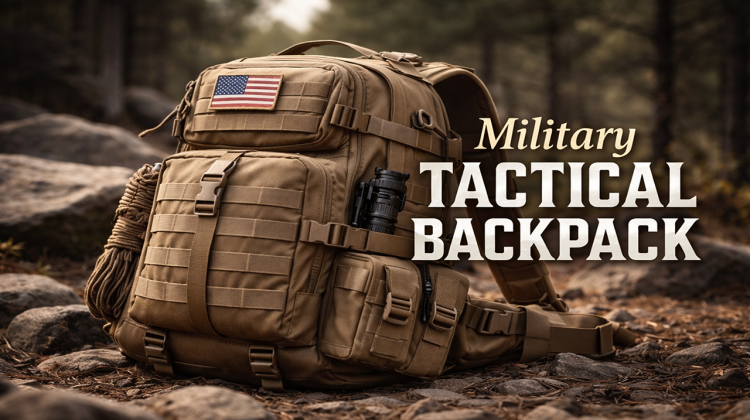
A military tactical backpack for men is more than just a bag — it’s a rugged, highly adaptable gear carrier designed to perform in demanding situations. Built originally for soldiers and field operators, today these backpacks are widely used by hikers, campers, outdoor adventurers, preppers, travelers, hunters, survivalists, and everyday carry enthusiasts. Choosing the right tactical backpack improves comfort, organization, durability, and overall experience. This comprehensive guide breaks down everything you need to know to make an informed purchase.
1. What Is a Military Tactical Backpack?
A military tactical backpack is a heavy‑duty backpack built for reliability, strength, and adaptability. Unlike standard backpacks, tactical designs emphasize:
- Durable materials capable of sustaining rough usage,
- Modular systems for attaching extra gear,
- Organized storage with multiple compartments,
- Comfortable carrying systems for long missions or hikes,
- These backpacks are engineered for performance and versatility across outdoor and tactical environments.
2.Why Choose a Tactical Backpack?
Before diving into features and specifications, it’s important to understand why someone would choose a tactical backpack over a regular backpack:
2.1 Durability and Strength: Tactical backpacks are constructed from high‑denier nylon or polyester fabrics (e.g., 600D, 900D, 1000D) that resist tearing, abrasion, and heavy loads.
2.2 Modular and Customizable: Most tactical packs use MOLLE (Modular Lightweight Load‑carrying Equipment) webbing, allowing you to add pouches, tool holders, hydration carriers, and accessories anytime.
2.3 Mission‑Ready Organization: With multiple compartments, accessory loops, and internal packing systems, tactical backpacks keep gear secure and manageable.
2.4 Comfort Under Load: Padded shoulder straps, waist belts, adjustable sternum straps, and back panels with airflow support comfortable long‑distance carrying.
2.5 Versatility: A tactical pack works well for hiking, travel, camping, survival, hunting, emergency kits (bug‑out bags), and even daily use.
3. Key Features to Consider When Buying:
When purchasing a military tactical backpack, understanding specific features helps you choose the best match for your needs.
3.1 Material and Construction
The material determines durability, weight, and weather resistance.
Fabric Types:
- 600D Nylon/Polyester: Mid‑level durability, lighter weight, suitable for general use.
- 900D/1000D Nylon: Heavy‑duty, excellent abrasion resistance, ideal for rugged terrain.
- Ripstop Nylon: Woven reinforcement that prevents tears from spreading.
Stitching and Reinforcement:
- Double stitching in high‑stress areas
- Bar‑tack reinforcement at load points
- Reinforced bottom panels
Pro Tip: Higher denier fabrics are stronger but heavier. Choose based on expected load and environment.
3.2 Capacity (Volume)
Backpack capacity is measured in liters (L) and directly affects what and how much you can carry.
| Capacity (L) | Best Use |
| 20–30L | Short trips, EDC, day hikes |
| 30–45L | Hiking, travel, extended daily use |
| 45–60L | Multi‑day trips, camping |
| 60L+ | Long expeditions, survival kits, heavy loads |
Choosing the correct size ensures you neither underpack nor overpack.
3.3 Compartment Layout
Good compartment design improves organization and ease of access:
- Main Compartment: Large area for bulk items
- Secondary Compartments: Organize smaller objects
- Front Utility Pockets: Quick access space
- Internal Organizers: Hold tools, pens, documents
- Side Pockets: Water bottles, flashlights, tools
- Hidden or Security Pocket: Secured valuables
- Also inspect zipper quality — YKK or heavy‑duty coil zippers offer better performance and longevity.
3.4 MOLLE Compatibility
MOLLE webbing is a defining feature of tactical backpacks. It allows users to attach additional:
- Utility pouches
- First‑aid kits
- Magazine holders
- Tool holsters
- Flashlight holders
- Radio pouches
Ensure the backpack has enough MOLLE rows to match your future accessory needs.
3.5 Comfort and Carrying System
Carrying comfort is crucial, especially for long missions or hikes.
Shoulder Straps
- Adjustable width
- Thick padding
- Ergonomic contour
Back Panel
- Breathable mesh panels
- Cushioning to reduce sweating
- Ventilation channels
Waist Belt & Sternum Strap
- Distributes weight from shoulders to hips
- Prevents bounce during movement
- Adjustable for a custom fit
Backpacks with load‑bearing frames — internal or external — provide support for heavy loads.
3.6 Hydration Compatibility
Many tactical backpacks include a hydration bladder sleeve and port, enabling you to stay hydrated without stopping.
Benefits include:
- On‑the‑move water access
- Space for 1.5L or 3L bladder
- Works well for hiking, biking, or field missions
Check that the sleeve fits standard hydration bladders and that routing for the hose is convenient.
3.7 Weather Resistance
Exposure to rain and harsh weather is common outdoors, so weather resistance is important.
Key features to look for:
- Water‑resistant or waterproof fabrics
- Sealed or storm‑flap zippers
- Integrated rain cover
- Seam sealing
A water‑resistant backpack protects gear and keeps internal contents dry without additional covers.
3.8 Versatility and Modularity
A good tactical backpack should adapt to various missions:
- Detachable compartments
- Expandable storage
- Compressible design
- External lash points for securing gear externally
- Compatible accessory sets
This flexibility ensures long‑term usefulness for changing needs.
4. Tactical Backpack Types
Understanding different tactical backpack configurations helps match shoe to foot:
4.1 Assault Packs
- Capacity: 20–40L
- Compact and lightweight
- Designed for short missions or day hikes
- Easily accessible compartments
- Good for EDC, urban use, or tactical enthusiasts
Best Choice If: You need a balance between storage and mobility.
4.2 Patrol Packs
- Capacity: ~35–55L
- Mid‑sized with more storage
- Great for multi‑day trips or heavier loads
- Still compact and efficient
- Often includes MOLLE webbing
Best Choice If: You need more capacity than an assault pack without going full expedition.
4.3 Rucksacks / Expedition Packs
- Capacity: 50L+
- Built for long trips and heavy gear
- Usually include frame systems
- Excellent load distribution
- Best for camping or survival kits
Best Choice If: You plan multi‑day excursions or carry large loadouts.
4.4 Hydration Packs
- Capacity: 10–25L
- Designed around hydration bladder systems
- Lightweight, slim
- Excellent for biking or running
Best Choice If: Hydration is your priority over bulk storage.
5. How to Choose Based on Your Needs
Your intended use case plays a major role. Below are guidelines based on common scenarios:
5.1 Hiking and Backpacking
Must‑have features:
- 30–60L capacity
- Breathable mesh back panel
- Strong harness system
- Hydration bladder compatibility
- Spacious compartments
Also consider:
- Side compression straps
- Sleeping bag expands
- Trekking pole holders
5.2 Camping and Overnight Trips
Must‑have features:
- 50L+ capacity
- External tie‑offs for tents/sleeping bags
- MOLLE attachments for accessory customization
- Internal organizers
- Rain cover
Also consider:
Frame or support system for heavy load comfort
5.3 Travel and Commuting
Must‑have features:
- 30–45L capacity
- Document/laptop sleeve
- Quick access pockets
- Strong carry handles
Also consider:
- TSA‑friendly zipper locks
- Low‑profile design for airport travel
5.4 Emergency Preparedness (Bug‑Out Bag)
Must‑have features:
- 45L+ capacity
- Weather resistance
- MOLLE for modular additions
- Hidden pockets for secure storage
- Strong harness system
Also consider:
Space for first‑aid, rations, navigation tools, shelter
5.5 Everyday Carry (EDC)
Must‑have features:
- 20–35L capacity
- Sleek, non‑bulky design
- Organized compartments
- Side quick pockets
Also consider:
- Comfortable padding
- Low weight for urban mobility
6. Durability and Maintenance Tips
To extend the life of your backpack:
6.1 Cleaning
- Brush off surface dirt
- Spot clean with mild soap and water
- Avoid harsh detergents
- Let air dry (do not machine dry)
6.2 Zipper Care
- Use silicone zipper lubricant occasionally
- Remove debris before zipping
6.3 Storage
- Store in dry, cool area
- Don’t leave gear compressed for long periods
- Loosen straps when not in use
Doing this preserves fabric integrity, prevents odor, and maintains performance.
7. Price Ranges and What to Expect
Understanding price ranges helps align purchase decisions with quality expectations.
| Price Range | Typical Quality |
| $30–$60 | Basic function, lightweight, less durable |
| $60–$120 | Mid‑tier performance, balanced features |
| $120–$200+ | Premium materials, advanced features |
| $200+ | Specialized tactical/expert missions |
More expensive backpacks generally offer better materials, stronger hardware (buckles/zippers), thicker padding, and modular versatility.
8. Common Mistakes to Avoid
Avoid these frequent pitfalls when choosing a tactical backpack:
8.1 Choosing Based on Price Alone
Ultra‑cheap backpacks often lack durability and comfort.
8.2 Ignoring Fit and Comfort
Even the most durable backpack fails if it doesn’t fit your torso or hip profile.
8.3 Overestimating Capacity
Larger isn’t always better. Too much capacity encourages unnecessary overpacking.
8.4 Neglecting Future Expandability
Choosing a pack without MOLLE or modular options limits adaptability.
9. Accessories to Enhance Functionality
You can greatly increase the effectiveness of your backpack with these add‑ons:
9.1 Hydration Bladders
Ensure easy hydration on the move.
9.2 MOLLE Pouches
Create custom loadouts for tools or first‑aid kits.
9.3 Rain Covers
Protect contents in heavy rain.
9.4 Compression Straps
Stabilize and reduce bulk when partially filled.
9.5 Gear Organizers
Vest pockets, pouches, and packing cubes enhance organization.
10. Final Buying Checklist
Use this checklist before finalizing your purchase:
✔ Material quality (denier/ripstop)
✔ Overall capacity (liters)
✔ Compartment design and organization
✔ MOLLE webbing availability
✔ Comfort features (padding/straps)
✔ Weather resistance
✔ Hydration compatibility
✔ Weight of the pack
✔ Price vs features
✔ Warranty and brand reputation
Conclusion:
A military tactical backpack for men is an investment in performance, comfort, and reliability. Whether you’re heading into the wilderness, preparing a bug‑out bag, traveling, or organizing daily gear, a well‑chosen tactical backpack enhances efficiency and readiness. Assess your needs, focus on build quality, match capacity to your use case, and consider long‑term adaptability. With the right choice, a tactical backpack becomes an indispensable part of your gear arsenal.