
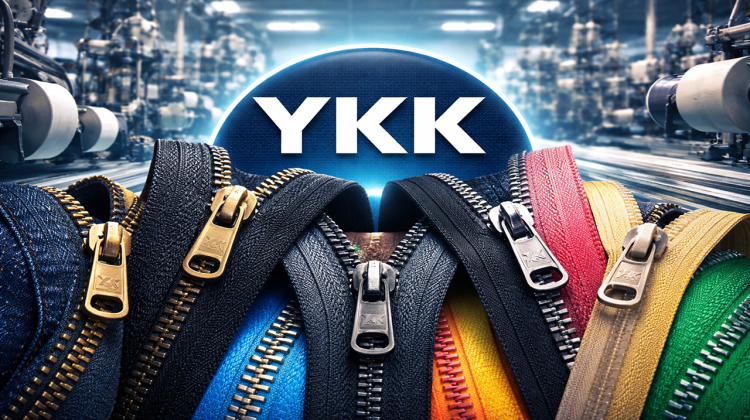
YKK Zippers: The Story Behind the World’s Most Trusted Fasteners
Zippers are one of those everyday inventions most people don’t think much about — until one fails at the worst possible moment. From jeans and jackets to luggage and outdoor gear, zippers play a critical role in modern fashion and utility products. And when it comes to zippers, one brand name stands above the rest: YKK. With a global reputation for quality, reliability, and innovation, YKK zippers have become the industry standard — trusted by manufacturers and consumers alike.
In this in‑depth article, we’ll explore the history, technology, manufacturing excellence, global influence, and sustainability efforts behind YKK. Whether you’re a fashion enthusiast, a manufacturing professional, or simply curious about how everyday objects come to life, this article will take you behind the scenes of a zipper empire.
What Is YKK? A Brief Introduction
Founded in Japan in 1934, YKK stands for Yoshida Kogyo Kabushikikaisha — roughly translated as Yoshida Manufacturing Corporation. The company’s mission was simple: to eliminate defective zippers. Even in its early years, YKK focused intensely on quality control — a principle that continues to define the brand today.
Over nearly a century, YKK has expanded from a small manufacturer into a global powerhouse with facilities in more than 70 countries. Though the company produces various fastening products, it is best known for its zippers — which are used in virtually every corner of the world.
A History Sewn with Precision
The zipper was invented in the late 19th century, but it wasn’t until the early 20th century that the design became practical and widely used. Early zippers were notoriously unreliable, often breaking or jamming. Enter YKK, whose founder Tadao Yoshida believed that quality was not just a matter of engineering ingenuity but of consistency.
YKK adopted a vertically integrated system — meaning the company controlled every step of production, from raw materials to final assembly. This philosophy ensured that every zipper that bore the YKK name was made with meticulous care.
- Key milestone: In the 1950s, YKK introduced modern molded‑plastic zippers, which expanded zipper use into lightweight garments and accessories.
- Global expansion: By the 1970s and 1980s, YKK was establishing manufacturing plants worldwide, bringing production closer to textile industries in Europe, the Americas, and Asia.
- Innovation continues: Today, YKK still invests heavily in research and technology — from water‑resistant zipper designs to eco‑friendly materials.
YKK Zippers: The Hidden Backbone of Global Fashion and Manufacturing
Every day, billions of garments, bags, footwear, and industrial products are secured with a fastening device so common that most people give it no thought — the zipper. Among zipper manufacturers, one name stands out above all others: YKK. For decades, YKK has dominated the global zipper market not merely through scale, but through precision engineering, quality control, and a relentless pursuit of reliability. This article explores the story behind YKK zippers, how they transformed fastening technology, and why they remain a critical part of modern manufacturing.
Origins: From Modest Beginnings to Global Scale
YKK stands for Yoshida Kōgyō Kabushikikaisha (吉田工業株式会社), which translates from Japanese as Yoshida Manufacturing Corporation. It was founded in 1934 by Tadao Yoshida in Tokyo, Japan. In the early 20th century, zippers were a relatively new invention. Originally patented in the United States, early zipper designs suffered from inconsistent quality and frequent malfunctioning. Yoshida saw an opportunity: rather than merely importing zippers, he could make them better.
YKK’s founder believed in vertical integration — controlling every step of production. That philosophy became the backbone of the company: “No one should make zippers for YKK; we must make our own.” From day one, the company invested in machinery and skilled labor, ensuring tight control over material quality and production processes.
Craftsmanship Meets Industrial Engineering
The zipper may seem simple — two rows of interlocking teeth and a slider — but making zippers that work smoothly and reliably at mass scale is a remarkably complex engineering challenge. The strength, alignment, uniformity, and finish of each element directly affect performance. YKK mastered this through innovation in materials science and precision manufacturing.
Key Components of a Zipper:
A zipper assembly includes:
- Teeth or Elements: Made of metal, nylon, or molded plastic.
- Tape: The fabric portion sewn into garments or products.
- Slider: The mechanism that engages or separates teeth.
- Stops and Pulls: Components that limit movement and provide an interface for users.
Each of these must not only be produced accurately but also assembled with high tolerance to ensure durability and smooth motion.
YKK’s Manufacturing Process:
YKK’s hallmark is its vertically integrated production. The company does not outsource major elements — from casting and machining the teeth, weaving the tapes, to assembling final products — everything happens under YKK supervision. Benefits of this model include:
- Consistent Quality: Tight control eliminates variations that compromise durability.
- Innovation Capability: Internal R&D drives continuous improvement.
- Cost Efficiency at Scale: Larger production volume spreads fixed costs.
This meticulous approach translated into a reputation for durability and reliability that few competitors could match.
The YKK Standard: Reliability in Action:
For many consumers, brand names matter for high‑value goods like electronics or cars. But even inexpensive apparel and products often use YKK zippers — often without consumers ever noticing. This ubiquity is a testament to YKK’s reputation among manufacturers.
Why Manufacturers Choose YKK
Major reasons for YKK’s dominance include:
- Consistency: Products work the same way from batch to batch and year to year.
- Durability: YKK zippers resist wear, corrosion, and failure under stress.
- Wide Product Range: YKK offers metal, coil (nylon), and molded plastic zippers across applications — from lightweight garments to heavy‑duty outdoor gear.
- Customization: Tailored colors, sizes, and performance specifications are available.
- Global Presence: YKK operates production facilities worldwide, enabling local supply and just‑in‑time delivery.
These advantages reduce product returns, improve consumer satisfaction, and streamline manufacturing workflows.
YKK’s Product Range and Innovations
YKK’s portfolio is vast, addressing a wide spectrum of industries:
1.Metal Zippers: Typically made from brass, aluminum, or nickel. Metal zippers offer strength, classic aesthetics, and resistance to abrasion. They are popular in denim, leather jackets, boots, and heavy outerwear.
2.Coil (Nylon) Zippers: These have teeth formed from a continuous nylon filament sewn onto the tape. They are lightweight, flexible, and corrosion‑resistant — ideal for sportswear, luggage, and outdoor gear.
3.Plastic Molded Zippers: Made from injection‑molded thermoplastics like polyester. These are strong and corrosion‑resistant, suitable for backpacks, rainwear, and robust everyday use products.
4.Specialty Zippers:
YKK also makes:
- Water‑Resistant Zippers: With seals or coatings that block water entry — widely used in outdoor equipment and technical apparel.
- Invisible Zippers: Designed for aesthetic applications where teeth should not show.
- Two‑Way Zippers: Allow opening and closing from either end — common in luggage and coats.
- Magnetic and Self‑Locking Sliders: For ease of use and secure closure.
Innovation and Technology
YKK invests heavily in R&D and manufacturing automation. Machines developed in‑house ensure precision and consistency. YKK’s automated production lines can manage extremely fine tolerances and tight quality checks that would be nearly impossible with manual assembly.
One example of innovation is the development of water‑resistant zipper technologies that use special tapes and sealants to prevent water penetration while maintaining flexibility and smooth operation — crucial for performance outerwear and gear.
Global Footprint: YKK in the World
While YKK originated in Japan, it rapidly expanded globally to meet demand and improve logistics. Today, YKK operates dozens of manufacturing facilities and sales offices across major regions, including:
- Asia: Japan, China, Vietnam, India, South Korea
- North America: USA, Mexico
- Europe: UK, Germany, Italy
- South America: Brazil
- Africa and Middle East: Various regional partners and subsidiaries
This global presence allows YKK to serve clothing and product manufacturers locally, reduce lead times, and adapt to regional market trends.
Economic and Industrial Impact
YKK’s role in the zipper industry is so dominant that some estimate the company produces a majority share of the world’s zippers. While precise market share figures can vary by region and product category, several factors highlight its influence:
- Preferred Supplier to Major Brands: Many global apparel and gear brands specify YKK zippers in production contracts because of quality assurance.
- Standard‑Setting: YKK’s materials, dimensions, and testing methodologies often become industry norms.
- Employment and Training: YKK facilities provide skilled jobs, technical training, and development opportunities in manufacturing communities worldwide.
This combination of technical leadership and global logistics has made YKK a cornerstone of apparel and industrial manufacturing chains.
Challenges and Competition
Despite its dominance, YKK faces ongoing competitive pressures and industry challenges:
1.Cost Pressures: Manufacturers often seek to reduce input costs. Lower‑priced alternatives from regional zipper makers can be tempting, especially for budget apparel lines. Smaller suppliers sometimes compete on price at the expense of consistency. YKK counters this by emphasizing total value — fewer returns, higher reliability, and integration support — but cost remains a continuous pressure point.
2.Supply Chain Disruptions: Global events such as pandemics, trade policy changes, and logistics bottlenecks affect production and delivery timelines. YKK’s global footprint helps mitigate risks, but complex supply chains remain vulnerable.
3.Environmental Expectations: Manufacturers and consumers increasingly demand sustainable production and materials. While YKK has sustainability programs, zipper production still involves metal and plastic processing with environmental costs. Responding to these expectations requires ongoing investment.
Sustainability and Corporate Responsibility
In recent years, YKK has taken steps toward more sustainable practices. These efforts include:
1.Material Innovation: Research into biodegradable or recyclable materials for tapes and teeth structures aims to reduce environmental impact at end of life.
2.Energy and Resource Management: YKK works to improve energy efficiency in factories, reduce waste, and control emissions from manufacturing processes.
3.Ethical Labor and Governance: Operating facilities worldwide comes with responsibilities for worker safety, fair labor practices, and environmental compliance. YKK publishes corporate responsibility reports outlining progress and goals.
While zipper manufacturing inherently involves material and energy consumption, YKK’s long‑term strategy emphasizes continuous improvement in environmental performance, transparency, and accountability.
Applications Beyond Apparel
Though zippers are most often associated with clothing, YKK’s products are ubiquitous across industries:
- Luggage and Bags: Durable and smooth‑operating zippers are critical for suitcases, backpacks, and travel gear.
- Automotive: Seat covers, convertible tops, and storage compartments use specialized zipper systems.
- Aerospace and Military: High‑performance zippers withstand extreme conditions and strict performance standards.
- Medical Equipment: Zippers used in protective coverings, enclosures, or specialized garment systems.
- Footwear: Boots and sports shoes use zippers for enhanced fit and convenience.
This broad usage highlights how a small mechanical component can be indispensable across diverse sectors.
Brand Perception and Consumer Awareness
Among end consumers, the zipper is often invisible — unless it fails. A stuck, broken, or misaligned zipper can instantly degrade the perceived quality of a garment or product. YKK’s uncompromising focus on reliability means that a functional zipper becomes a silent contributor to product satisfaction.
Major global brands often specify YKK even when the consumer label does not mention it. Apparel manufacturers, outdoor gear companies, and footwear producers trust YKK’s precision. Over time, this has built one of the most stable supplier relationships in manufacturing globally: a zipper that works every time.
Future Outlook: Where YKK Is Headed
Despite being nearly a century old, YKK continues to innovate. Key directions include:
Digital and Automated Manufacturing: Advanced robotics, AI‑assisted quality inspection, and connected manufacturing systems improve precision and reduce downtime.
Smart Textiles and Integration: As wearable technology grows, zippers may incorporate sensors, conductive elements, or smart materials. YKK’s R&D teams are positioned to contribute to these developments.
Expanded Sustainability Initiatives: Expect growth in recyclable materials, circular economy engagement, and partnerships with brands committed to environmental goals.
Strengthened Global Partnerships: Collaborating with major apparel and industrial manufacturers — particularly in emerging markets — will maintain YKK’s leading position while adapting to shifting trade and production landscapes.
Conclusion
From a small Tokyo workshop in 1934 to a global manufacturing powerhouse, YKK has redefined what it means to make a zipper. Its blend of engineering excellence, vertical integration, and quality consistency has made YKK the silent backbone of modern fashion and industrial design. Though largely unseen and rarely acknowledged by end consumers, YKK zippers hold together the world’s garments, gear, and products with precision — proving that even the smallest components can have the greatest impact.
Frequently Asked Questions (FAQs)
Q1: Why are YKK zippers considered the best?
YKK’s vertical integration, precision engineering, rigorous testing, and global quality consistency make their zippers more reliable than many competitors.
Q2: Are YKK zippers recyclable?
YKK has started producing eco‑friendly options using recycled materials, though recyclability depends on local textile recycling programs.
Q3: How can I tell if a zipper is YKK?
Most YKK zippers have “YKK” stamped on the back of the slider. Premium lines like “Excella” may also be marked.
Q4: Do all high‑end brands use YKK?
Many do — especially when durability and longevity are key. However, some brands use customized zipper solutions tailored to specific designs.
Q5: Can YKK zippers be repaired?
Yes — depending on the issue. Sliders can sometimes be replaced, but badly damaged teeth often require full zipper replacement.
Q6: Are YKK zippers more expensive?
Generally, yes — but the higher upfront cost is often justified by better performance and fewer returns or failures.
